Yancheng and Pier-2
A good base for warehouse arts, harbour walks and older snack shops. Check the nearest MRT or light-rail stop rather than choosing only by a waterfront label.
Harbour warehouses, island ferries and subtropical evenings
Harbour warehouses, island ferries and subtropical evenings: explore Kaohsiung in waterfront clusters, with indoor breaks during the hottest hours.
Kaohsiung, historically known as Takao and often called the Harbour City, developed around southern Taiwan’s major port and heavy industry. Redeveloped docks, arts venues and rail-linked neighbourhoods now sit beside working maritime infrastructure; the city also reaches far inland beyond the visitor-friendly harbour core.
On a first visit, Pier-2 Art Center, Cijin island and Takow consulate heritage reveal the city’s spatial character and history, while Seafood, Duck rice and Milkfish soup add the everyday food culture. Together they connect major landmarks, lived-in neighbourhoods and the pace of the modern city.
A good base for warehouse arts, harbour walks and older snack shops. Check the nearest MRT or light-rail stop rather than choosing only by a waterfront label.
Convenient for changing MRT lines and reaching central food streets. Inspect room size and street noise in older hotels.
Choose modern hotels, shopping and waterfront venues; long blocks can make a short map distance a substantial walk.
Useful for HSR arrivals and Lotus Pond, especially on a short rail-based stay. It is farther from the southern harbour attractions.
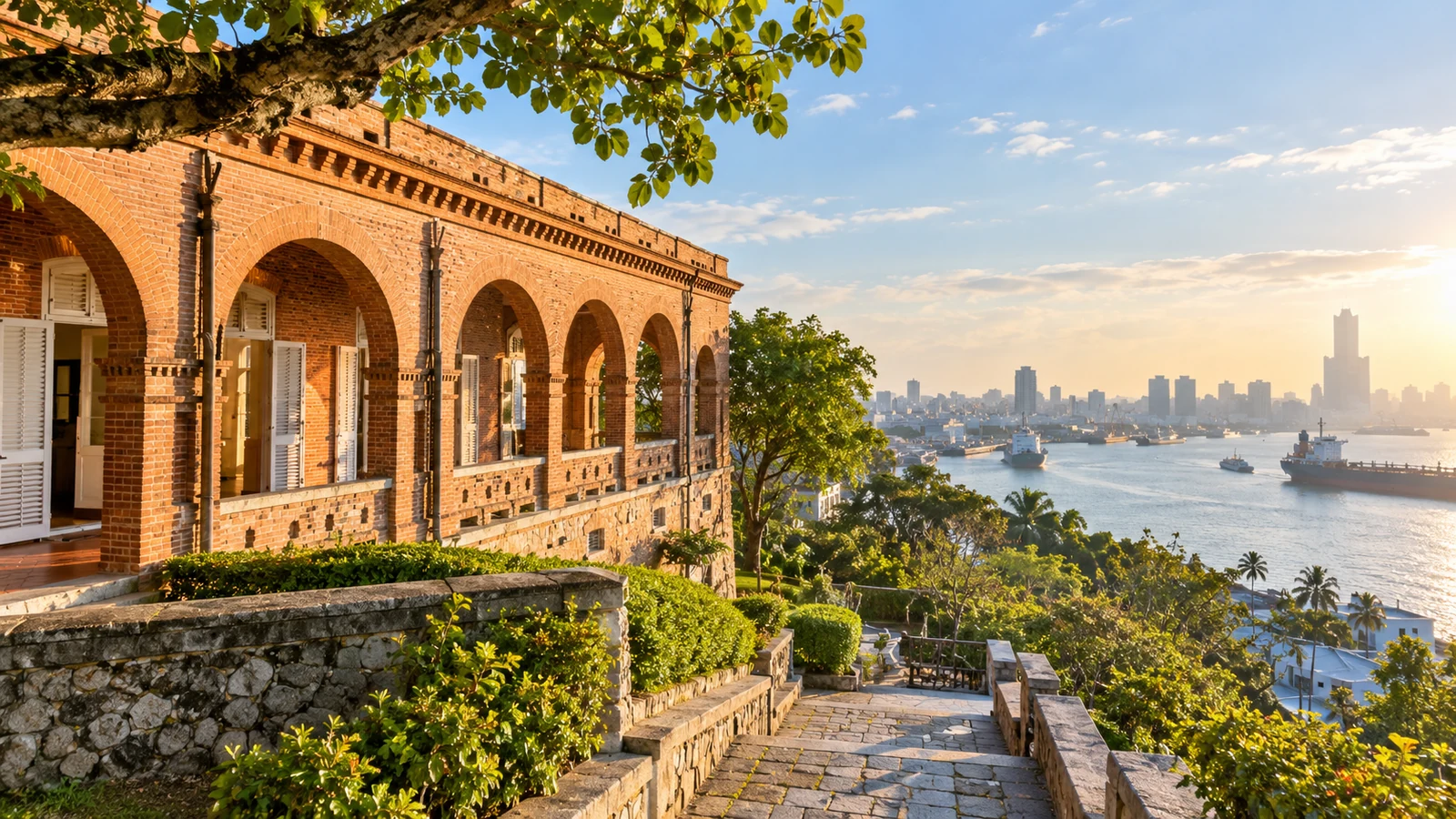
Allow 3 hours for warehouses, installations and nearby harbour paths. Pick exhibitions rather than entering every building; some are ticketed. Combine with Yancheng lunch and light rail.
Allow half a day, taking the ferry from Gushan when conditions permit. Walk the old street, coast and lighthouse area at a comfortable pace; sun exposure is strong and swimming is only for permitted conditions and areas.
Allow 1.5–2 hours for the climb, buildings and harbour outlook. Wear grippy shoes, visit in cooler weather and combine with Hamasen rather than another distant viewpoint.
Allow 2–3 hours for a selected lakeside section and temples. Check restoration and access notices before planning around a particular pagoda; respect active worship and carry water.
Allow 2 hours for public architecture and park space, longer with a performance. Check the programme and book seats separately; public areas and auditoriums have different access rules.
Allow 1–2 hours near sunset for a manageable riverside walk. Choose a stretch close to dinner and check cruise departures if wanted; it is better as an evening pause than a day-long attraction.
Allow 30–45 minutes to view the Dome of Light while transferring through the centre. Stay out of passenger flow; combine with a nearby meal rather than travelling across town for a single photo.
Allow most of a day including travel to Dashu. Choose the monastery or museum areas deliberately, check opening days and dress respectfully; the site is extensive and exposed to sun.
Port-city food means seafood, comforting rice dishes and strong night-market traditions. Eat around Yancheng and the harbour as well as famous markets, checking the price of seafood before ordering.
Agree the species, weight and cooking price before ordering; freshly cooked simple dishes are easiest to share.
A practical small lunch, with vegetables and soup as optional sides.
Ask about bones and enjoy with rice rather than ordering several heavy dishes.
Ask for sugar adjustments and drink promptly; it contains dairy unless otherwise specified.
Order freshly cooked and compare the house sauce; shellfish allergies matter.
Dense and filling, so share one on a snack crawl and ask about pork or peanut ingredients.
A welcome heat break, especially in older Yancheng dessert shops; seasonal fruit varies.
Choose a few cooked-to-order items and leave room for another stall.
Pick sealed boxes with a clear expiry date and protect the pastry.
Check ingredients, added sugar and the destination’s food-entry rules.
Ask the growing region and choose lightweight sealed bags.
Small prints or stationery directly support a maker and travel easily.
Choose illustrations of places you actually visited rather than generic skyline art.
Confirm materials and pack delicate pieces separately.
Choose sealed, labelled food gifts and check your destination’s import rules before packing. Meat, fresh produce and some animal products can be restricted; receipts and attractive packaging do not guarantee admission. Put liquids in the appropriate baggage and protect fragile pastries.
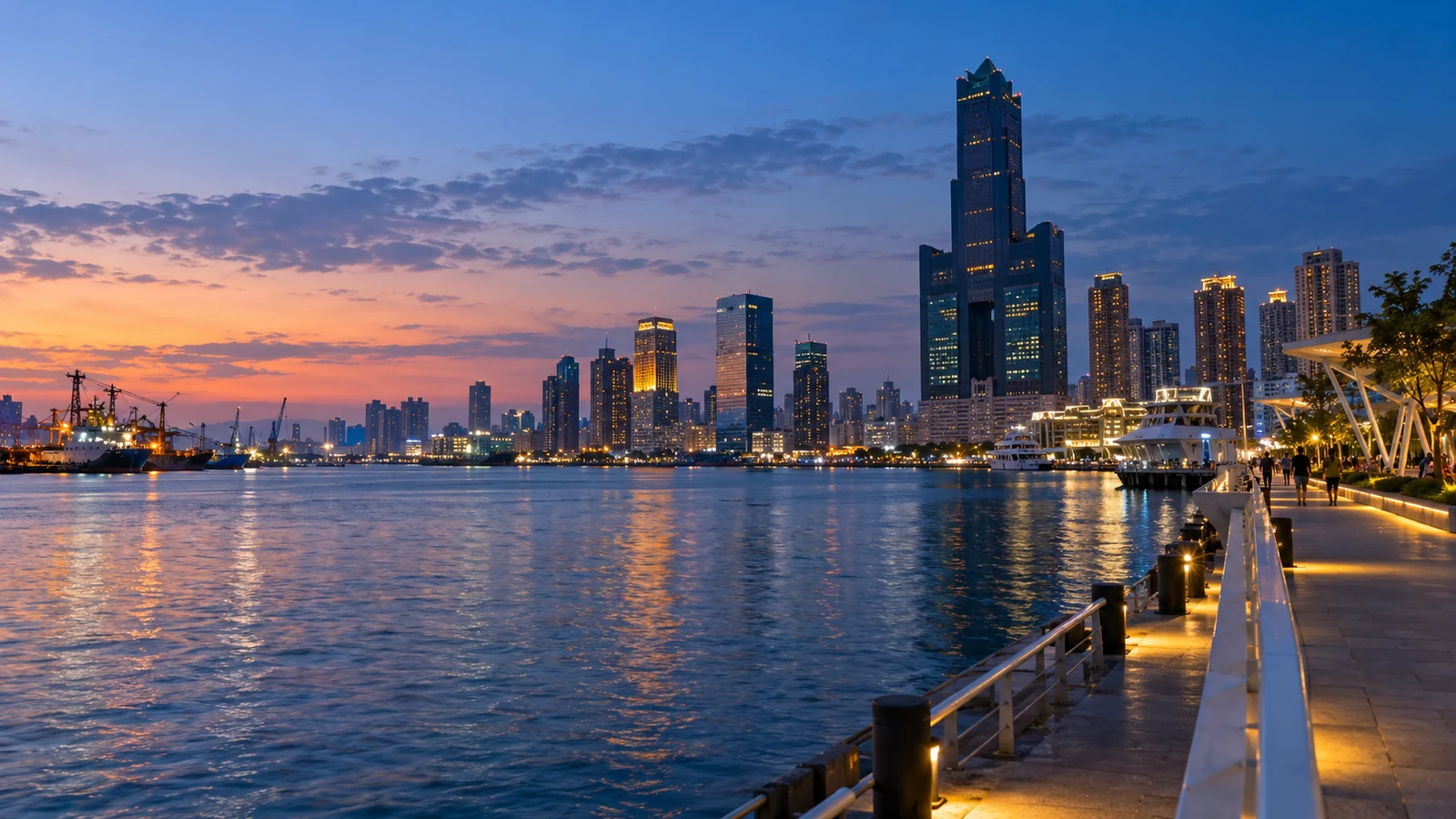
Start at Pier-2, lunch in Yancheng and continue through Hamasen to the consulate area. Keep sunset for the waterfront, with a taxi option if the climb is tiring.
Take an early ferry for Cijin, explore one coastal route and return before exhaustion. Rest indoors, then enjoy a short Love River walk and dinner nearby.
Visit Lotus Pond in the cooler morning, use the MRT back through Formosa Boulevard and head to Weiwuying later. Book a performance only after allowing travel and dinner time.
Start at Pier-2, lunch in Yancheng and continue through Hamasen to the consulate area. Keep sunset for the waterfront, with a taxi option if the climb is tiring.
Take an early ferry for Cijin, explore one coastal route and return before exhaustion. Rest indoors, then enjoy a short Love River walk and dinner nearby.
Visit Lotus Pond in the cooler morning, use the MRT back through Formosa Boulevard and head to Weiwuying later. Book a performance only after allowing travel and dinner time.
Choose a city museum for the morning, then explore the Asia New Bay waterfront near sunset. Avoid midday exposed promenades and check exhibition schedules.
Reserve the day for Dashu with confirmed outward and return transport. Walk fewer areas well, take a shaded lunch break and respect religious quiet zones.
Choose Shoushan’s accessible marked paths in suitable weather. Keep food hidden from macaques and never feed them; substitute an indoor exhibition in heat or storms.
Return to Yancheng for breakfast and design shopping, then leave time for luggage collection. Zuoying HSR and the airport lie in different directions, so use the correct departure route.
Use the MRT and circular light rail for the urban core; ferries connect Cijin. Zuoying is the HSR hub, while Kaohsiung railway station serves conventional trains. The airport has MRT access. Use TWD, an eligible transit card and cash for smaller stalls. Check the official weather warning before coastal or mountain outings. Confirm museum closures and timed tickets. Entry eligibility depends on nationality and travel document; use the official entry link below, particularly for cross-border side trips.
Use the MRT and circular light rail for the urban core; ferries connect Cijin. Zuoying is the HSR hub, while Kaohsiung railway station serves conventional trains. The airport has MRT access. Use TWD, an eligible transit card and cash for smaller stalls.
Kaohsiung International Airport (KHH)
Use Zuoying for HSR; conventional trains also serve Kaohsiung station.
Keep one main area per half-day and carry a light day bag; confirm lifts at stations when using large luggage. Reserve an indoor alternative for heavy rain.
Kaohsiung International Airport (KHH)
Use Zuoying for HSR; conventional trains also serve Kaohsiung station.
Use the MRT and circular light rail for the urban core; ferries connect Cijin. Zuoying is the HSR hub, while Kaohsiung railway station serves conventional trains. The airport has MRT access. Use TWD, an eligible transit card and cash for smaller stalls.
These are typical seasonal patterns, not station monthly averages or a live forecast. Check official forecasts and typhoon or thunderstorm warnings before setting out.
Bring breathable layers, a compact umbrella, comfortable grippy shoes, sun protection and a refillable water bottle. Add a warmer layer in winter and for air-conditioned transport. Check the highlighted month and official forecast before packing; defer exposed coast and mountain plans during warnings.
Check eligibility for your travel document; onward border crossings and re-entry need separate checks.
港邊倉庫、渡輪與南方夜色:按水岸片區遊高雄,最熱時段安排室內休息。
高雄舊稱「打狗」,別稱「港都」,發展與台灣南部港口及工業密切相關。更新中的碼頭、藝術場館與軌道街區仍與運作中的港區並存;行政範圍向內陸延伸甚遠,不只旅客熟悉的港灣核心。
第一次到訪時,可以從駁二藝術特區、旗津、打狗英國領事館文化園區理解城市的空間與歷史,再透過海鮮、鴨肉飯、虱目魚湯認識當地人的日常口味。這些線索把代表性景點、生活街區與現代城市節奏連成一個更完整的目的地印象。
倉庫藝術、港邊散步與老店方便,訂房確認捷運或輕軌站。
方便捷運轉線與市區小吃,老酒店需留意房型及街道噪音。
適合現代酒店、購物與港灣場館,街廓大,需實查步行距離。
高鐵與蓮池潭方便,適合短停或鐵路行程;離南側港區較遠。
倉庫、裝置与港邊留3小時,挑展覽慢看,部分需票;可接鹽埕午餐與輕軌。
鼓山渡輪往返留半天,老街、海岸與燈塔量力走;日曬強,游泳須守開放區域與海況。
爬坡、古建築與港景留1.5至2小時,穿防滑鞋、避酷熱,可串哈瑪星。
選一段湖岸與廟宇留2至3小時,特定塔樓先查整修公告;尊重參拜並帶水。
建築公共區與公園留2小時,看演出另加時間與訂票,場館內外開放規則不同。
日落前後留1至2小時,挑靠近晚餐的一段;想搭船再查班次,適合作夜間散步。
轉乘順看光之穹頂約30至45分鐘,不擋通道,搭配附近用餐即可。
含大樹交通留大半天,先選寺院或博物館區,查開放日並穿著得體;園區大且日曬強。
港都飲食有海鮮、日常米食與夜市傳統;除了名氣大的夜市,也可在鹽埕與港邊吃,海鮮先問清計價。
先確認魚種、重量與料理費,清楚計價再點。
小碗配青菜與湯,適合簡單午餐。
詢問魚刺處理,配飯即可成餐。
可調糖、現買現喝,通常含乳製品。
現做最好吃,醬料各有不同,注意貝類過敏。
飽足感強可分享,先問豬肉或花生成分。
鹽埕甜品店適合避熱,水果隨季節變。
現烤少量點,留空間吃別攤。
選密封、日期清楚的盒裝並防壓。
查成分、加糖與目的地食品規定。
詢問種植產地,選輕便密封袋。
小版畫與文具輕便,也能支持創作者。
選與走過景點有關的作品。
確認材質,易損件分開包裝。
食品手信選密封且標示完整的產品,打包前查目的地入境規定。肉類、生鮮與部分動物製品可能受限,收據或精美包裝不代表可入境;液體按行李規定處理,糕餅做好防壓。
駁二開始、鹽埕午餐、哈瑪星與領事館,日落留港邊;爬坡累了可搭車。
早船旗津,選一段海岸走完便回,午後休息,晚間愛河短散步與附近晚餐。
早上蓮池潭,捷運經美麗島,下午衛武營;演出票要配合交通與晚餐。
駁二開始、鹽埕午餐、哈瑪星與領事館,日落留港邊;爬坡累了可搭車。
早船旗津,選一段海岸走完便回,午後休息,晚間愛河短散步與附近晚餐。
早上蓮池潭,捷運經美麗島,下午衛武營;演出票要配合交通與晚餐。
上午選一座美術或歷史館,日落再走新灣區,避開正午裸露水岸。
確定往返交通後整天留大樹,挑重點區域、午間避熱,尊重清修空間。
天氣適合才走壽山合適步道,收好食物、不餵獼猴,酷熱或雷雨改室內展覽。
鹽埕早餐與設計購物後取行李;左營高鐵與機場方向不同,按實際出發點安排。
市區以捷運與環狀輕軌、旗津以渡輪接駁;左營為高鐵樞紐,高雄車站為台鐵站,機場可搭捷運。使用新台幣、適用交通卡,小攤備現金。 山海行程前查官方天氣警報,博物館先查休館與預約。入境資格依國籍與旅行證件而異,跨境續程尤其要查下方官方入境資訊。
市區以捷運與環狀輕軌、旗津以渡輪接駁;左營為高鐵樞紐,高雄車站為台鐵站,機場可搭捷運。使用新台幣、適用交通卡,小攤備現金。
高雄國際機場(KHH)
搭高鐵選左營,台鐵另有高雄車站。
半天集中一個片區,輕裝出門;大行李先查車站升降機,大雨準備室內備案。
高雄國際機場(KHH)
搭高鐵選左營,台鐵另有高雄車站。
市區以捷運與環狀輕軌、旗津以渡輪接駁;左營為高鐵樞紐,高雄車站為台鐵站,機場可搭捷運。使用新台幣、適用交通卡,小攤備現金。
以下為一般季節特點,並非逐月測站平均值或即時預報。出發前請查官方預報與颱風、雷雨警報。
依旅行證件查入境資格;跨境續程與再次入境須分別確認。
Traveller comments
Share a useful local tip, or ask a practical question for your trip.