Historic peninsula
Best for walking to Senado Square and heritage lanes. Older streets have slopes and limited vehicle access, so confirm where a taxi can stop with luggage.
Walk between temple courtyards and Portuguese-influenced squares, then cross to Taipa and Coloane for village streets, coastal air and distinctive food.
Walk between temple courtyards and Portuguese-influenced squares, then cross to Taipa and Coloane for village streets, coastal air and distinctive food.
Macao, often called the Lotus City, is a Special Administrative Region of China at the Pearl River estuary. Centuries of Chinese and Portuguese contact shaped its UNESCO-listed historic centre and Macanese food traditions. The peninsula, Taipa, Cotai and Coloane offer very different settings, from dense neighbourhoods to large resorts and quieter coastal villages.
On a first visit, Senado Square and St Dominic’s, Ruins of St Paul’s and Mount Fortress and A-Ma Temple and Barra reveal the city’s spatial character and history, while Portuguese-style egg tarts, Minchi and African chicken add the everyday food culture. Together they connect major landmarks, lived-in neighbourhoods and the pace of the modern city.
Best for walking to Senado Square and heritage lanes. Older streets have slopes and limited vehicle access, so confirm where a taxi can stop with luggage.
A practical hotel base with buses and dining, between the old centre and ferry-side areas. Check actual walking distances in heat.
Choose village food, smaller streets and access to nearby resort districts. Hotel options and street noise vary considerably.
Large resorts suit pools, shows and indoor shopping. Their scale adds walking time; reaching old-town sights still needs transport.
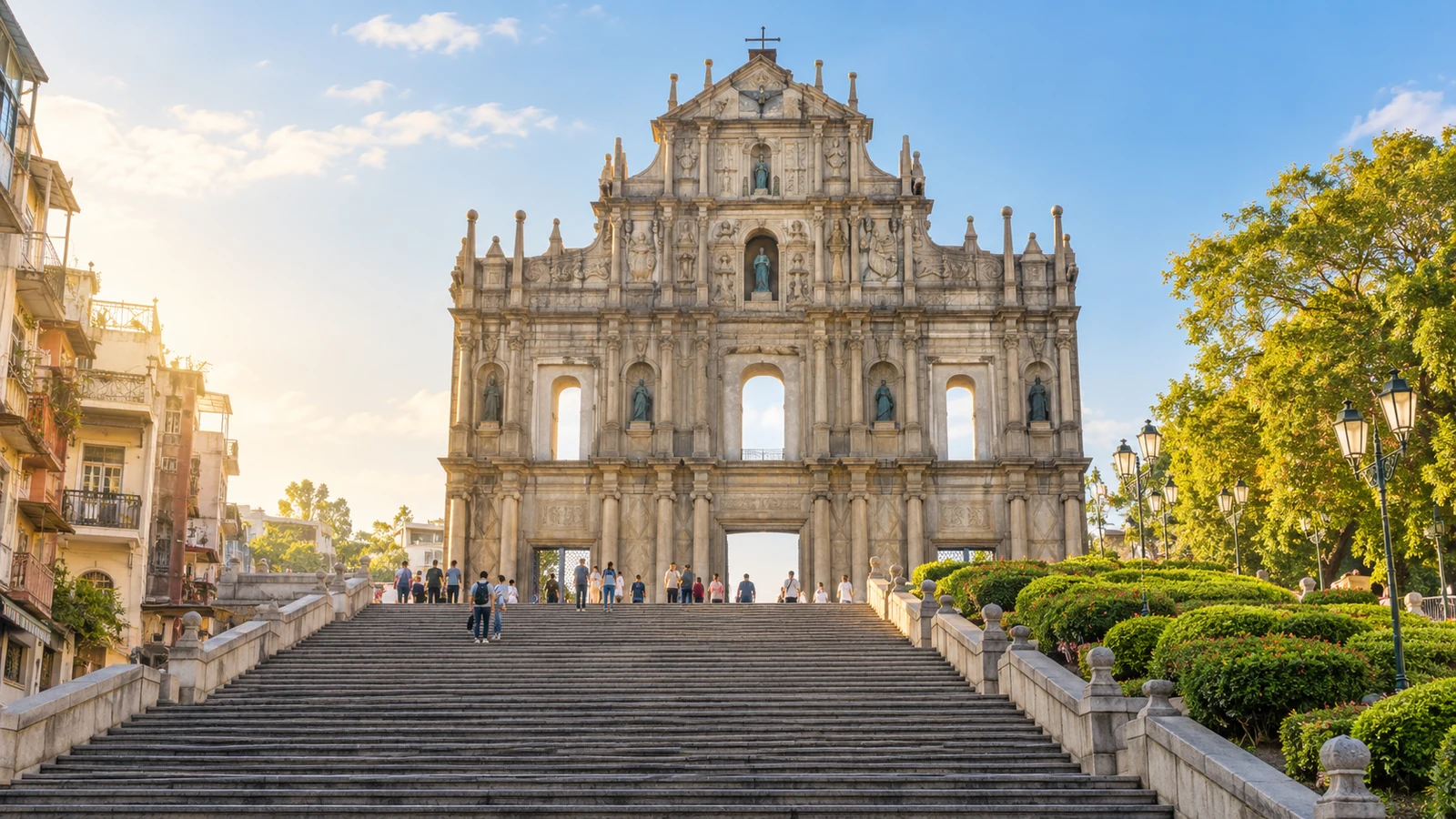
Allow 1.5–2 hours for the square and adjacent lanes. Start early before tour groups, look at the paving and façades, and respect church access rules.
Allow 2–3 hours including the climb and, if open, museum time. The famous façade is only part of the story; check access and avoid blocking the staircase for photographs.
Allow 2 hours for the temple precinct and nearby streets. Wear grippy shoes around stone steps, respect incense and worship, and use Barra transport connections for onward travel.
Allow 1.5–2 hours for courtyards and the quieter square. Check the house’s closure day before walking there; pair with the southwest heritage route.
Allow 2 hours for the ascent and views. Check which chapel or fortress areas are accessible; carry water and avoid the exposed walk in strong heat or storms.
Allow half a day for Taipa Houses, small lanes and food around Rua do Cunha. Shopfront queues can be long, so eat a proper lunch before sampling pastries.
Allow half a day including transport. Walk the waterfront and village lanes, stop for egg tarts and choose a shaded café; add a beach only if weather and transport fit.
Choose one or two resort complexes for 3–4 hours, checking public access and show tickets. The district can be enjoyed through food, design and performance without entering gaming floors.
Balance bakery snacks with a proper Macanese or Portuguese meal. Chinese, Portuguese and wider maritime influences meet here; reserve popular restaurants and ask portion sizes before ordering several rich dishes.
Eat warm for the crisp shell; buy only what can be eaten soon.
A Macanese minced-meat and potato dish often served with rice and egg; recipes vary by household.
A richly spiced Macanese chicken dish; ask about nut ingredients and heat.
A mild baked chicken preparation often with a creamy coconut sauce; share a generous portion.
Salt cod appears as fritters or main dishes; choose one preparation rather than several salty starters.
Best freshly assembled, with a hot chop and crisp bread; check for bones.
A lighter meal between rich pastries and restaurant dinners.
Cream and biscuit crumbs make a rich dessert; keep chilled and eat locally.
Buy sealed boxes, compare texture and check nut ingredients.
Very fragile; request a rigid box and protect from pressure.
Check allergens and expiry dates, and keep dry.
Illustrated tiles, prints or stationery recall local streets; distinguish local design from imported souvenirs.
Choose labelled sealed packs from established merchants.
Sealed olive oil or tinned goods can suit checked luggage; liquids, weight and destination food rules need checking.
Choose sealed, labelled food gifts and check your destination’s import rules before packing. Meat, fresh produce and some animal products can be restricted; receipts and attractive packaging do not guarantee admission. Put liquids in the appropriate baggage and protect fragile pastries.
Begin at Senado Square, walk to St Paul’s and Mount Fortress, and take a long lunch break. Use the afternoon for quieter side streets instead of crossing immediately to Cotai.
Visit A-Ma Temple, Lilau and Mandarin’s House if open, then travel to Taipa for the afternoon. Eat dinner in the village and leave resort interiors for another day.
Spend the cooler morning in Coloane, rest over lunch and choose one Cotai complex or show later. Do not turn the day into a race between every resort.
Begin at Senado Square, walk to St Paul’s and Mount Fortress, and take a long lunch break. Use the afternoon for quieter side streets instead of crossing immediately to Cotai.
Visit A-Ma Temple, Lilau and Mandarin’s House if open, then travel to Taipa for the afternoon. Eat dinner in the village and leave resort interiors for another day.
Spend the cooler morning in Coloane, rest over lunch and choose one Cotai complex or show later. Do not turn the day into a race between every resort.
A week suits slow travellers: choose a museum, then walk a residential food district with breaks. Check closures and avoid repeating the busiest heritage circuit just to fill time.
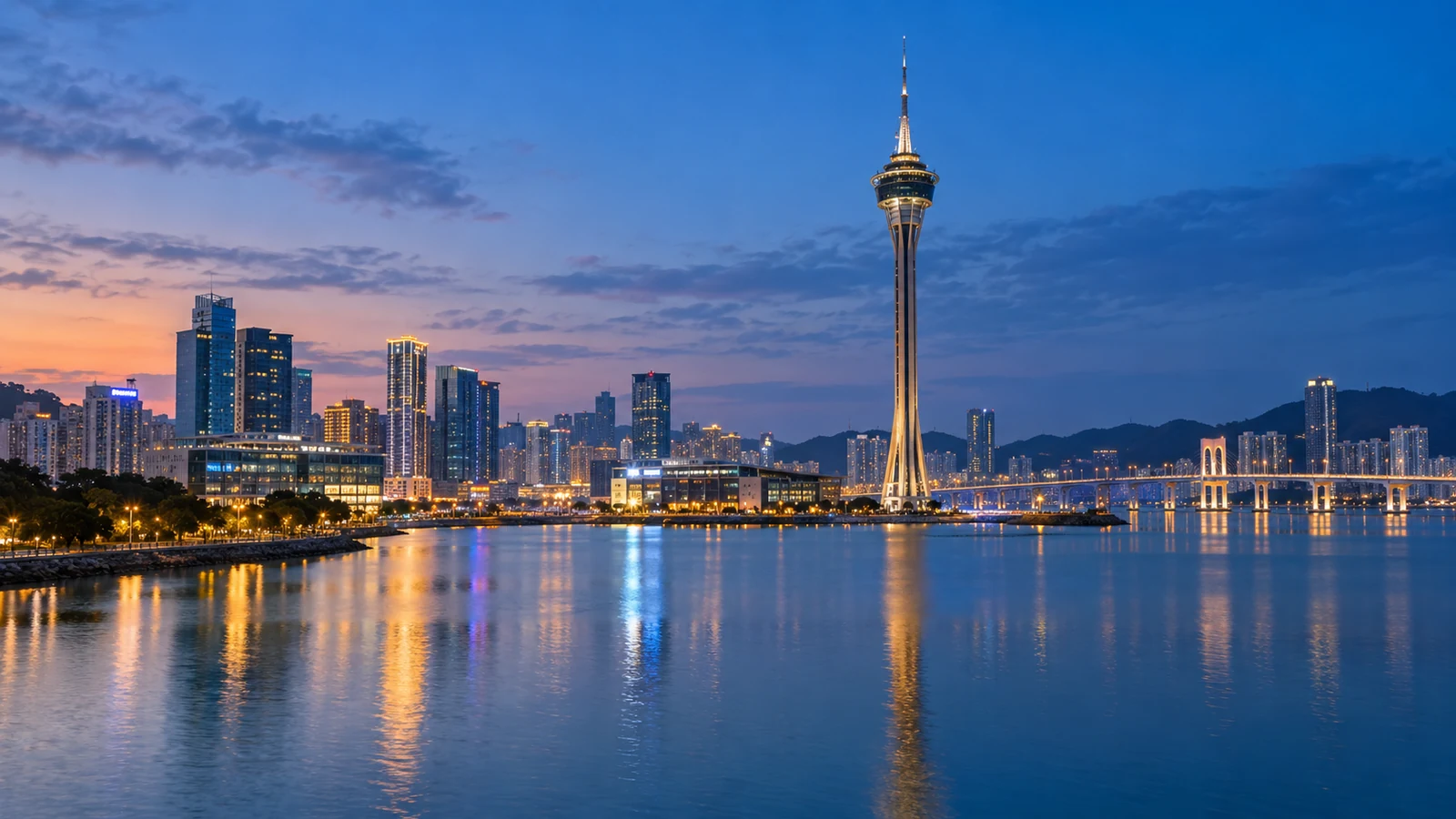
Climb Guia in the morning, lunch nearby and reserve the afternoon for waterfront views or Macau Tower if visibility is good. Keep both tickets and weather flexible.
Return to Coloane for an easy trail or Hac Sa beach walk in suitable weather. Swimming depends on posted conditions; in heavy rain, substitute a performance or indoor exhibition.
Taste before buying pastries, pack fragile boxes carefully and confirm the correct ferry terminal, airport or land port. A Hong Kong or Zhuhai extension requires separate entry eligibility and is optional.
Use walking, public buses, licensed taxis and LRT where its route fits. Macao has no intercity railway station; arrivals include the airport, ferry terminals and land ports. Currency is the pataca (MOP); check which currency a price or change uses. Hong Kong and mainland trips have separate border procedures. Check the official weather warning before coastal or mountain outings. Confirm museum closures and timed tickets. Entry eligibility depends on nationality and travel document; use the official entry link below, particularly for cross-border side trips.
Use walking, public buses, licensed taxis and LRT where its route fits. Macao has no intercity railway station; arrivals include the airport, ferry terminals and land ports. Currency is the pataca (MOP); check which currency a price or change uses. Hong Kong and mainland trips have separate border procedures.
Macao International Airport (MFM)
Arrive via Taipa or Outer Harbour ferry terminals, or a suitable land port; there is no intercity rail station.
Keep one main area per half-day and carry a light day bag; confirm lifts at stations when using large luggage. Reserve an indoor alternative for heavy rain.
Macao International Airport (MFM)
Arrive via Taipa or Outer Harbour ferry terminals, or a suitable land port; there is no intercity rail station.
Use walking, public buses, licensed taxis and LRT where its route fits. Macao has no intercity railway station; arrivals include the airport, ferry terminals and land ports. Currency is the pataca (MOP); check which currency a price or change uses. Hong Kong and mainland trips have separate border procedures.
These are typical seasonal patterns, not station monthly averages or a live forecast. Check official forecasts and typhoon or thunderstorm warnings before setting out.
Bring breathable layers, a compact umbrella, comfortable grippy shoes, sun protection and a refillable water bottle. Add a warmer layer in winter and for air-conditioned transport. Check the highlighted month and official forecast before packing; defer exposed coast and mountain plans during warnings.
Check eligibility for your travel document; onward border crossings and re-entry need separate checks.
從廟宇庭院走到葡式廣場,再往氹仔、路環尋訪村落街道、海風與在地料理。
澳門別稱「蓮城」,是珠江口的中國特別行政區。長期中葡交流形成列入世界遺產的歷史城區與土生葡人飲食;澳門半島、氹仔、路氹及路環,分別呈現密集街區、大型度假村與安靜海岸村落。
第一次到訪時,可以從議事亭前地與玫瑰堂、大三巴與大炮台、媽閣廟與下環理解城市的空間與歷史,再透過葡式蛋撻、免治、非洲雞認識當地人的日常口味。這些線索把代表性景點、生活街區與現代城市節奏連成一個更完整的目的地印象。
方便議事亭前地與古蹟巷弄,斜街或步行區要先問計程車落客點。
酒店、公車與餐飲較集中,介於舊城與碼頭方向,炎熱時留意步行距離。
適合村落小吃與前往度假區,房型與街道噪音差異大。
大型度假村適合泳池、演出與室內購物,建築很大,去舊城仍需交通。
廣場與巷弄留1.5至2小時,早到避團客,細看石路與立面,遵守教堂規範。
連爬坡與博物館留2至3小時,牌坊只是歷史一部分;查開放,拍照勿堵階梯。
廟區與附近街道留2小時,石階穿防滑鞋、尊重香火參拜,可由媽閣轉乘。
院落與小廣場留1.5至2小時,先查休館日,適合串西南歷史路線。
登山与觀景留2小時,查教堂及炮台開放;帶水,酷熱或雷雨避免裸露路段。
龍環葡韻、巷弄與官也街留半天;餅店排隊長,先吃正餐再試點心。
含交通留半天,水岸與村巷慢走、吃蛋撻、找陰涼咖啡館;海灘視天氣交通再加。
選一兩座度假村留3至4小時,查開放與表演票;餐飲、設計和演出已足以遊覽。
餅店點心之外,也安排一餐土生葡菜或葡國菜。中式、葡式與海洋貿易風味交會,熱門餐廳先訂位,多道濃味菜先問份量。
溫熱酥皮最好,少量即吃。
土生葡人肉碎薯仔菜,常配飯與蛋,家家做法不同。
香料濃郁,先問堅果成分與辣度。
常見椰香醬汁焗雞,份量大可分享。
鹽鱈可作球或主菜,別一次點太多鹹前菜。
現做最好,熱豬扒夾脆包,留意骨頭。
適合夾在濃味正餐與糕點之間。
奶油餅屑甜品較濃,需冷藏,在地享用較好。
密封盒裝、比較口感,注意堅果成分。
易碎,選硬盒避免擠壓。
注意過敏與期限,保持乾燥。
磁磚圖案、版畫與文具可留街景記憶,分辨在地設計與進口紀念品。
選可靠茶行、有標示的密封包。
橄欖油或罐頭可作禮,注意液體、重量與目的地食品規定。
食品手信選密封且標示完整的產品,打包前查目的地入境規定。肉類、生鮮與部分動物製品可能受限,收據或精美包裝不代表可入境;液體按行李規定處理,糕餅做好防壓。
議事亭、大三巴、大炮台依序走,中午長休;下午留給小街,不急著跨去路氹。
媽閣、亞婆井與開放中的鄭家大屋,下午再去氹仔;晚餐留村落,度假村改另日。
涼爽上午路環,午餐休息,下午選一座路氹酒店或演出,無需每家全逛。
議事亭、大三巴、大炮台依序走,中午長休;下午留給小街,不急著跨去路氹。
媽閣、亞婆井與開放中的鄭家大屋,下午再去氹仔;晚餐留村落,度假村改另日。
涼爽上午路環,午餐休息,下午選一座路氹酒店或演出,無需每家全逛。
七天適合慢遊者,挑一座博物館再走生活街區,查休館並適時休息,不為填時間重複熱門路線。
上午東望洋、附近午餐,下午看水岸或好天氣上旅遊塔,票務與天氣保持彈性。
好天氣回路環走簡單步道或黑沙海灘,游泳看現場規定;雨大改演出或室內展。
糕點先試後買、防壓包好,确认碼頭、機場或陸路口岸;延伸香港珠海需另查入境資格,可按需要安排。
步行、公車、合法計程車與適合路線的輕軌互補。澳門沒有城際火車站,抵達點為機場、碼頭與陸路口岸。貨幣為澳門元,付款與找零先確認幣別;香港及內地續程需另辦出入境。 山海行程前查官方天氣警報,博物館先查休館與預約。入境資格依國籍與旅行證件而異,跨境續程尤其要查下方官方入境資訊。
步行、公車、合法計程車與適合路線的輕軌互補。澳門沒有城際火車站,抵達點為機場、碼頭與陸路口岸。貨幣為澳門元,付款與找零先確認幣別;香港及內地續程需另辦出入境。
澳門國際機場(MFM)
由氹仔、外港碼頭或合適陸路口岸抵達;沒有城際火車站。
半天集中一個片區,輕裝出門;大行李先查車站升降機,大雨準備室內備案。
澳門國際機場(MFM)
由氹仔、外港碼頭或合適陸路口岸抵達;沒有城際火車站。
步行、公車、合法計程車與適合路線的輕軌互補。澳門沒有城際火車站,抵達點為機場、碼頭與陸路口岸。貨幣為澳門元,付款與找零先確認幣別;香港及內地續程需另辦出入境。
以下為一般季節特點,並非逐月測站平均值或即時預報。出發前請查官方預報與颱風、雷雨警報。
依旅行證件查入境資格;跨境續程與再次入境須分別確認。
Traveller comments
Share a useful local tip, or ask a practical question for your trip.