West District
Stay near Calligraphy Greenway for museums, cafés and walking. Buses or taxis fill gaps because the MRT does not reach every cultural stop.
A city of broad green corridors, inventive architecture and serious snack culture, with the coast and foothills best explored as separate days.
A city of broad green corridors, inventive architecture and serious snack culture, with the coast and foothills best explored as separate days.
Taichung is the main urban centre of central Taiwan, shaped by its basin setting, planned streets and regional trade. The historic station area preserves older commercial life, while the West District and Xitun show its evolution through museums, design, dining and contemporary performance spaces.
On a first visit, National Taichung Theater, Calligraphy Greenway and National Taiwan Museum of Fine Arts reveal the city’s spatial character and history, while Sun cakes, Braised pork rice and Fried noodles breakfast add the everyday food culture. Together they connect major landmarks, lived-in neighbourhoods and the pace of the modern city.
Stay near Calligraphy Greenway for museums, cafés and walking. Buses or taxis fill gaps because the MRT does not reach every cultural stop.
Convenient for conventional rail and old-centre food walks. Check the hotel’s street setting and luggage access around busy station roads.
Choose for modern hotels and the theatre. Distances between large blocks are deceptive, so check transit stops before booking.
Good for evening eating, less ideal for quiet early nights. A room a few streets away keeps the night market within reach without its full noise.
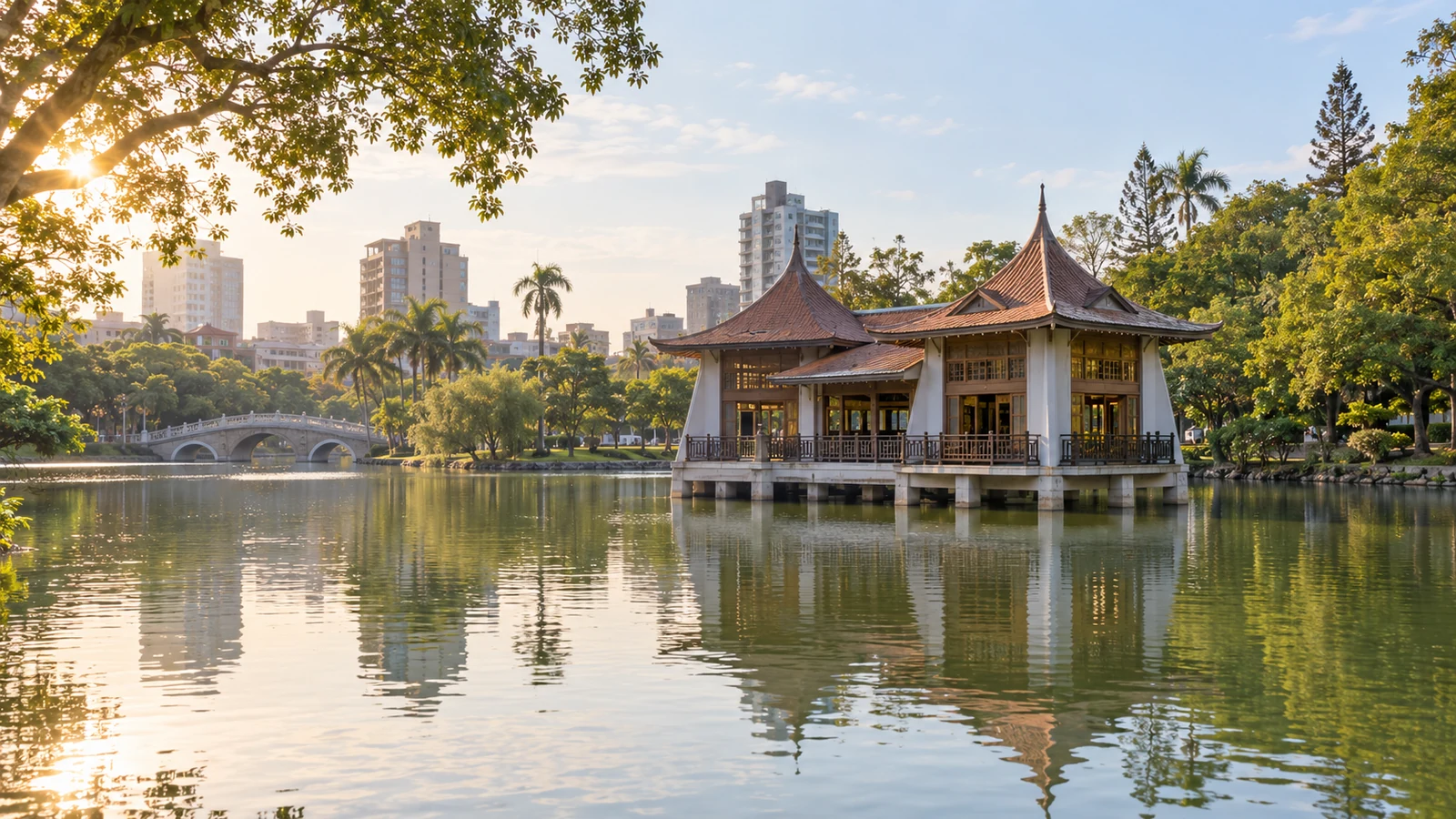
Allow 2–3 hours for the public architecture and nearby plaza. Tours and performances need separate planning; check what is accessible that day and combine with Xitun rather than an old-town detour.
Allow a leisurely half-day linking cafés, shops and green space. Walk a manageable section between the science-museum side and the art-museum area, with an indoor lunch during the hottest hours.
Allow 2–3 hours. Choose current exhibitions before arrival and leave time for the surrounding sculpture grounds; check closure days and special-show admission separately.
Allow half a day for the lake pavilion, old streets and restored railway spaces. Begin before midday heat, then stop for a market lunch; not every historic building admits visitors.
Allow 1–2 hours around breakfast or lunch. Order one or two local dishes at each stop and respect working market aisles; many stalls close before an evening visitor arrives.
Allow half a day including transport. Check tide, wind and boardwalk access; sunset alone does not guarantee safe access. Stay on permitted paths and arrange the return bus or taxi before dusk.
Allow half a day for the journey and a booked heritage visit. Guided interpretation makes the courtyards more meaningful; verify which buildings and tour sessions are open.
Allow 2 hours after the evening stalls open. Share small portions, keep cash ready and plan a bus or taxi home; visit on a different evening from a distant coastal trip.
Eat across neighbourhoods rather than trying to finish one huge night market. Traditional breakfast, market rice dishes and modern tea shops give a better picture of Taichung than a single fashionable restaurant.
A flaky pastry with sweet malt filling; taste a single cake before buying boxes.
Rich pork belly over rice; add pickles or greens and share a large portion.
A local savoury morning meal often paired with soup; ask about sauces before adding them.
A chewy wrapper and savoury filling, served with sauce; cooking styles vary.
Look for seasonal taro preparations and ask about sweetness or dairy additions.
Choose sugar and ice levels; tapioca pearls make a drink surprisingly filling.
Order freshly pan-fried pieces with a small soup for a simple breakfast.
Buy freshly cooked portions, compare prices first and avoid ordering an entire meal at the first stall.
Protect the fragile pastry and check manufacture dates.
Ask for the actual growing region; not every tea sold in Taichung is grown in the city.
Compare fillings and choose a sealed box for the journey.
Postcards and notebooks are light gifts tied to the exhibitions.
Ask about the maker and request protective wrapping.
Choose useful bags or cloth goods and check production details.
Choose sealed, labelled food gifts and check your destination’s import rules before packing. Meat, fresh produce and some animal products can be restricted; receipts and attractive packaging do not guarantee admission. Put liquids in the appropriate baggage and protect fragile pastries.
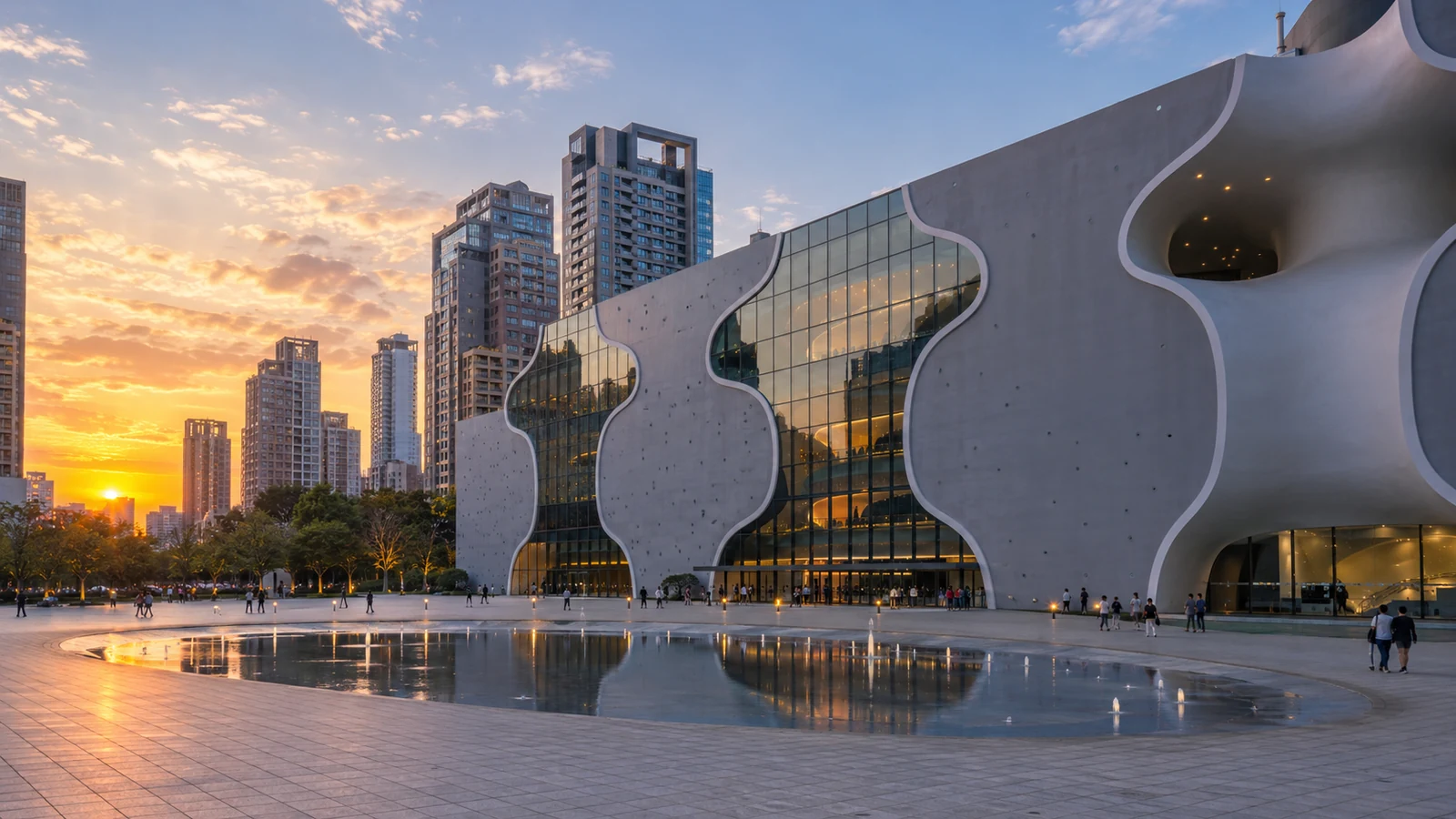
Start with Second Market breakfast, walk Taichung Park and continue to the railway heritage area. Rest indoors after lunch, then return to the old centre for a relaxed dinner.
Spend the morning at the fine-arts museum, lunch along Calligraphy Greenway and travel to the theatre for late afternoon. Book a performance only if you can keep the evening unhurried.
Visit the coast only with suitable tides and weather. Give Gaomei the afternoon and return for a modest Fengjia supper; if transport is slow, skip the extra market rather than rush.
Start with Second Market breakfast, walk Taichung Park and continue to the railway heritage area. Rest indoors after lunch, then return to the old centre for a relaxed dinner.
Spend the morning at the fine-arts museum, lunch along Calligraphy Greenway and travel to the theatre for late afternoon. Book a performance only if you can keep the evening unhurried.
Visit the coast only with suitable tides and weather. Give Gaomei the afternoon and return for a modest Fengjia supper; if transport is slow, skip the extra market rather than rush.
Use the science museum as an indoor anchor and explore nearby cafés afterwards. Families should choose a few exhibits and allow breaks instead of treating every hall as compulsory.
Book a Lin Family visit and keep the day around Wufeng. Add a nearby museum only after checking opening days and transfer time; return before evening congestion if possible.
Choose one accessible marked route around Dakeng, taking buses or a taxi to the correct trailhead. Summer heat and steep steps matter; carry water and turn back before fatigue.
Revisit a favourite district, taste pastries before buying and leave a luggage buffer. Taichung HSR is at Wuri, not the central conventional railway station.
The MRT Green Line is useful on its corridor, but buses and taxis are essential for many sights. Taichung HSR connects with Xinwuri railway station; the central Taichung railway station is a different destination. Use TWD and retain cash for markets. Check the official weather warning before coastal or mountain outings. Confirm museum closures and timed tickets. Entry eligibility depends on nationality and travel document; use the official entry link below, particularly for cross-border side trips.
The MRT Green Line is useful on its corridor, but buses and taxis are essential for many sights. Taichung HSR connects with Xinwuri railway station; the central Taichung railway station is a different destination. Use TWD and retain cash for markets.
Taichung International Airport (RMQ)
HSR Taichung at Wuri connects with Xinwuri; central Taichung station is separate.
Keep one main area per half-day and carry a light day bag; confirm lifts at stations when using large luggage. Reserve an indoor alternative for heavy rain.
Taichung International Airport (RMQ)
HSR Taichung at Wuri connects with Xinwuri; central Taichung station is separate.
The MRT Green Line is useful on its corridor, but buses and taxis are essential for many sights. Taichung HSR connects with Xinwuri railway station; the central Taichung railway station is a different destination. Use TWD and retain cash for markets.
These are typical seasonal patterns, not station monthly averages or a live forecast. Check official forecasts and typhoon or thunderstorm warnings before setting out.
Bring breathable layers, a compact umbrella, comfortable grippy shoes, sun protection and a refillable water bottle. Add a warmer layer in winter and for air-conditioned transport. Check the highlighted month and official forecast before packing; defer exposed coast and mountain plans during warnings.
Check eligibility for your travel document; onward border crossings and re-entry need separate checks.
綠園道、當代建築與豐富小吃構成台中的日常,海線與山線適合各自安排一天。
台中是台灣中部的重要都會,盆地地形、規劃街道與區域商業共同塑造城市。舊車站周邊保留早期商業生活,西區與西屯則透過美術館、設計、餐飲與表演空間展現近代發展。
第一次到訪時,可以從臺中國家歌劇院、草悟道、國立臺灣美術館理解城市的空間與歷史,再透過太陽餅、爌肉飯、炒麵早餐認識當地人的日常口味。這些線索把代表性景點、生活街區與現代城市節奏連成一個更完整的目的地印象。
草悟道周邊適合美術館、咖啡與步行;部分文化景點需公車或計程車接駁。
方便台鐵與舊城美食散步,確認街道環境及拖行李路線。
適合現代酒店與歌劇院,街廓大,訂房先看公車與捷運站位置。
方便夜市覓食,早睡者可選隔幾條街的住宿,兼顧步行與安靜。
公共空間與廣場安排2至3小時,導覽與演出另查票;同日串西屯,避免又跨去舊城。
留半天串咖啡、店家與綠地,可挑科博館至美術館方向一段,最熱時進室內午餐。
预留2至3小時,先選展覽並留時間看戶外雕塑,休館與特展票務分別查詢。
湖心亭、舊街與鐵道空間安排半天,早上走戶外,中午去市場吃飯,部分古建築僅能看外觀。
早餐或午餐留1至2小時,每站少量點餐,不堵攤道;不少店傍晚前已收攤。
含交通留半天,先查潮汐、風勢與棧道開放;守步道規則,日落前確定回程,不踩入保護區。
交通與參觀留半天,先訂導覽,了解院落背景更有意思;確認開放建築與場次。
晚間開攤後留2小時,分享小份、準備現金與回程;海線行程較累,可改另一晚。
分街區品嚐,比一次吃完整座夜市更舒服;傳統早餐、市場米食與茶飲店,比單一網紅餐廳更能呈現台中。
酥皮麥芽餡,先買單顆試口味再買盒。
肥瘦相間爌肉配飯,加酸菜或青菜較平衡。
在地鹹早餐常配湯,醬料先少量試。
外皮Q、內餡鹹香,蒸炸方式各有不同。
選芋頭甜湯與點心,先問甜度與奶類。
可選糖冰,珍珠很有飽足感。
現煎蘿蔔糕配小碗湯就是簡單早餐。
挑現烤、先看價目,第一攤別一次買太多。
酥皮易碎,注意保護與製造日期。
問實際產區,台中販售不代表台中種植。
比較內餡,旅途選密封禮盒。
明信片與筆記本輕便,也能留下展覽記憶。
詢問作者並請店家防震包裝。
布袋與布小物實用,選購時查製作資訊。
食品手信選密封且標示完整的產品,打包前查目的地入境規定。肉類、生鮮與部分動物製品可能受限,收據或精美包裝不代表可入境;液體按行李規定處理,糕餅做好防壓。
第二市場早餐、台中公園、鐵道文化空間,午后室內休息,晚餐留舊城。
上午美術館、草悟道午餐,下午轉歌劇院;看演出要留足交通時間。
高美依潮汐與天氣排下午,回城再少量吃逢甲;交通慢就省略夜市,不趕路。
第二市場早餐、台中公園、鐵道文化空間,午后室內休息,晚餐留舊城。
上午美術館、草悟道午餐,下午轉歌劇院;看演出要留足交通時間。
高美依潮汐與天氣排下午,回城再少量吃逢甲;交通慢就省略夜市,不趕路。
科博館為主、周邊咖啡為輔,親子選重點展廳並留休息。
先訂林家導覽,全天以霧峰為主,其他博物館須查休館及接駁。
大坑選一條合適步道,確認入口交通,夏季留意高溫與階梯,帶水並量力回程。
重訪喜愛街區、試吃後買糕點;高鐵在烏日,與市中心台鐵站不同,預留轉乘。
捷運綠線適用沿線,許多景點仍靠公車與計程車。高鐵台中站連新烏日站,與市中心台中車站不同;使用新台幣,市場備現金。 山海行程前查官方天氣警報,博物館先查休館與預約。入境資格依國籍與旅行證件而異,跨境續程尤其要查下方官方入境資訊。
捷運綠線適用沿線,許多景點仍靠公車與計程車。高鐵台中站連新烏日站,與市中心台中車站不同;使用新台幣,市場備現金。
台中國際機場(RMQ)
高鐵台中站在烏日、可接新烏日;市中心台中站是另一處。
半天集中一個片區,輕裝出門;大行李先查車站升降機,大雨準備室內備案。
台中國際機場(RMQ)
高鐵台中站在烏日、可接新烏日;市中心台中站是另一處。
捷運綠線適用沿線,許多景點仍靠公車與計程車。高鐵台中站連新烏日站,與市中心台中車站不同;使用新台幣,市場備現金。
以下為一般季節特點,並非逐月測站平均值或即時預報。出發前請查官方預報與颱風、雷雨警報。
依旅行證件查入境資格;跨境續程與再次入境須分別確認。
Traveller comments
Share a useful local tip, or ask a practical question for your trip.