Taipei Main Station
Useful for airport rail and intercity departures. Check the exact exit: underground passages are extensive, and a cheap room can still mean a long luggage walk.
Temple lanes, tea merchants and mountain-framed skylines
Temple lanes, tea merchants and mountain-framed skylines: explore Taipei by MRT, with time between sights for breakfast shops and neighbourhood cafés.
Taipei grew from the trading settlements of Bangka and Dadaocheng into northern Taiwan’s principal metropolitan centre. It is often called the City of Azaleas. Its identity combines Minnan temples, Japanese-era streets, post-war neighbourhoods and the contemporary Xinyi business district; the surrounding basin makes hot springs and wooded hills unusually accessible from the centre.
On a first visit, Dadaocheng and Dihua Street, Longshan Temple and Bangka and Taipei 101 and Xinyi reveal the city’s spatial character and history, while Beef noodle soup, Lu rou fan and Soup dumplings add the everyday food culture. Together they connect major landmarks, lived-in neighbourhoods and the pace of the modern city.
Useful for airport rail and intercity departures. Check the exact exit: underground passages are extensive, and a cheap room can still mean a long luggage walk.
A balanced first base for cafés, independent shops and MRT access. Choose a side street for quieter nights and keep Ningxia Night Market for an easy evening.
Good for longer stays, breakfast shops and park walks. Dongmen suits Yongkang Street; Da’an gives more residential calm without losing transport connections.
Choose for Taipei 101, shopping and contemporary hotels. Rooms can cost more; check walking distance to the MRT rather than relying on the district name.
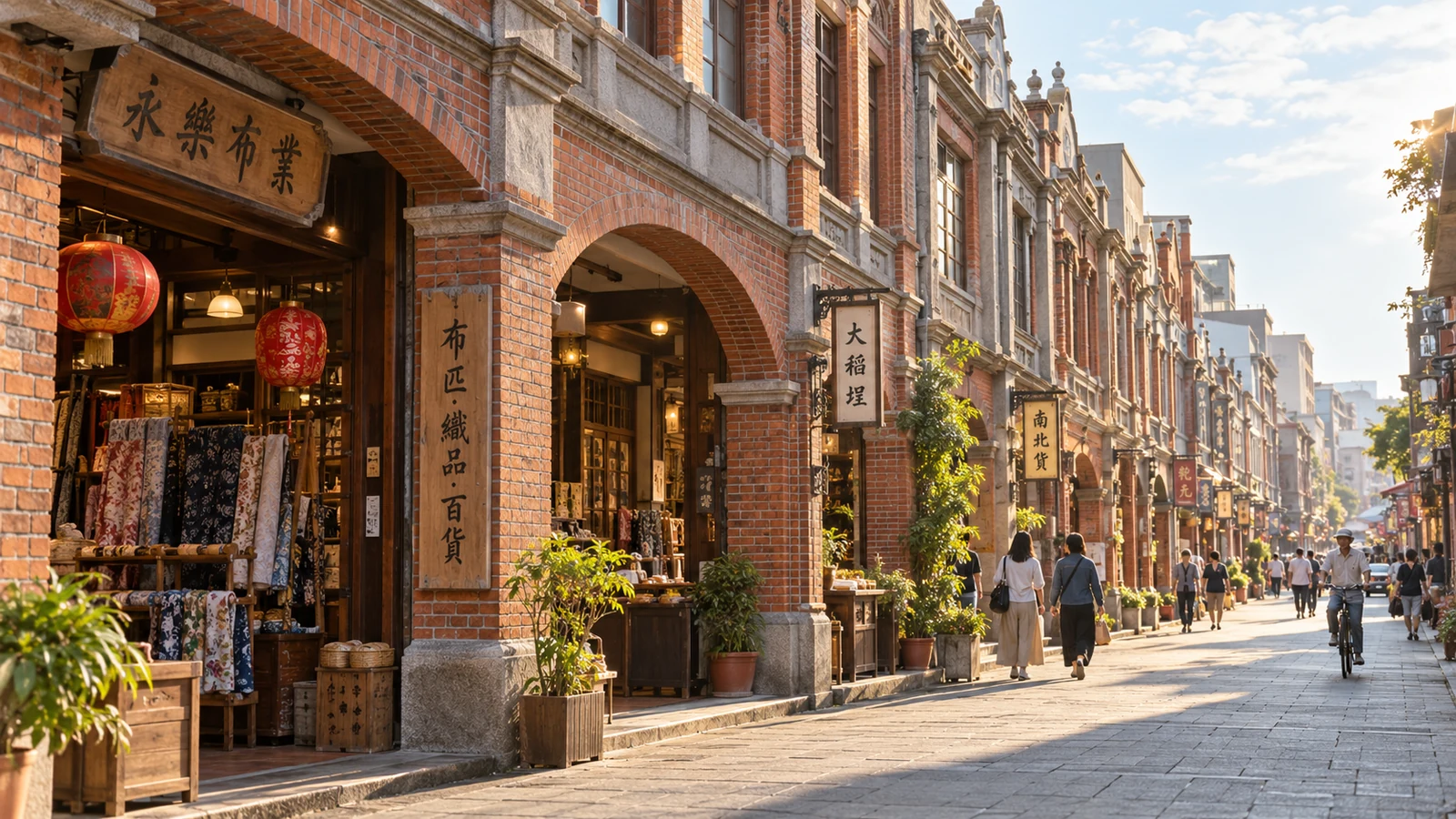
Allow 2–3 hours from late morning, when shops are open. Browse tea and dry-goods merchants, pause in a restored shophouse café and finish at Dadaocheng Wharf near sunset; temple visitors should keep doorways clear.
Allow 1.5–2 hours. Visit the temple quietly, then walk the surrounding old streets and Bopiliao. This is an active religious neighbourhood, so ask before photographing worshippers.
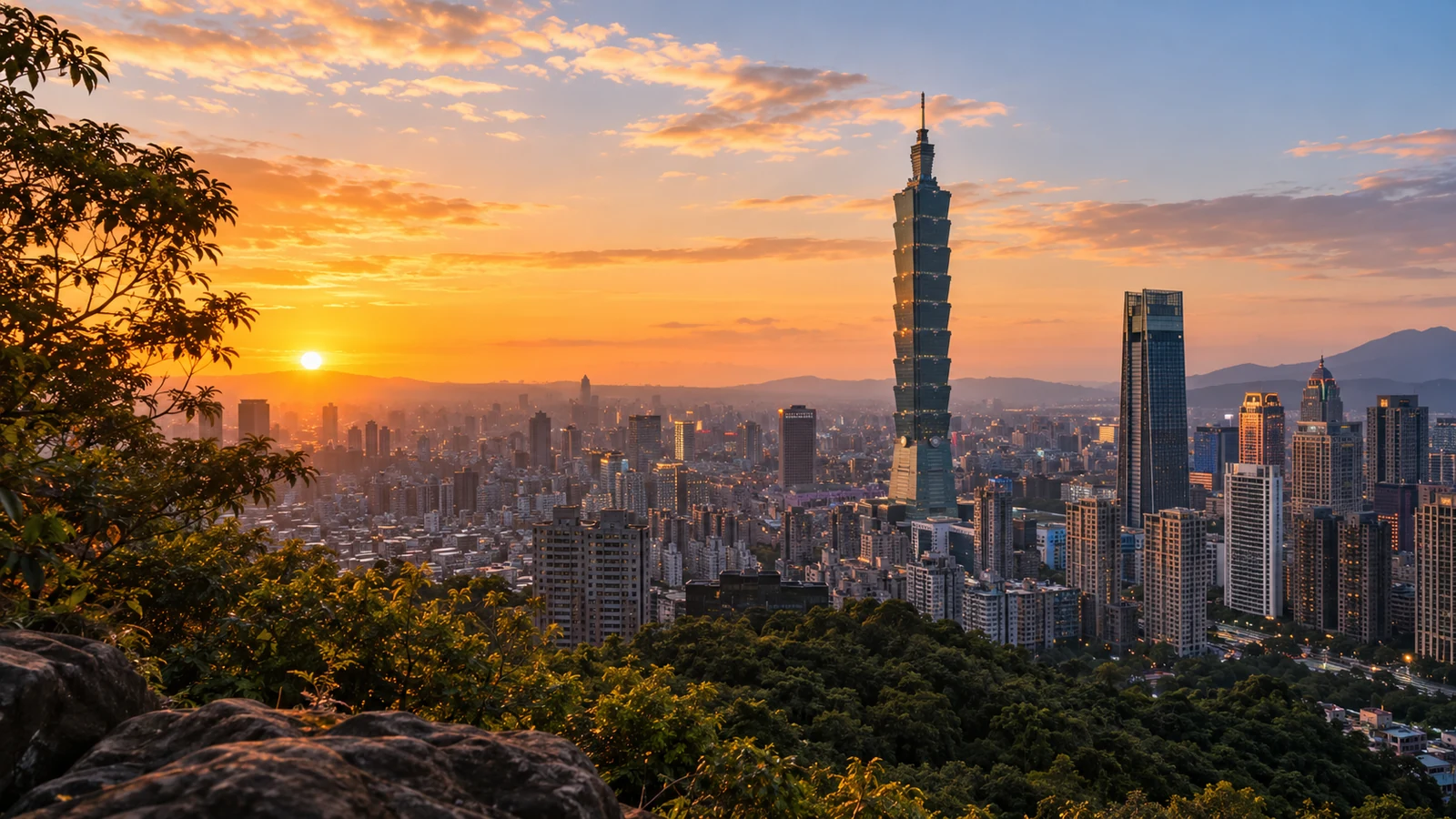
Allow half a day for the observatory and nearby streets. Book timed admission if required and choose a clear day; in poor visibility, spend more time at ground level and move the panorama to another day.
Allow 1.5–2 hours for the stepped climb and viewpoints. Go early or before sunset, carry water and avoid wet stairs in storms. The route is short but steep, not a flat city stroll.
Allow 3–4 hours and choose a few collections rather than rushing every gallery. Check the current exhibition list and closure calendar; pair with a relaxed Shilin meal rather than another distant museum.
Allow half a day for the park, historic bathhouse museum and Thermal Valley. Book a reputable bathing venue separately; the steaming valley itself is for viewing, not bathing.
Allow 1.5–2 hours for the square, gardens and exhibitions. Read the historical interpretation critically and combine with Dongmen for lunch. Check current access rather than assuming ceremonial events run daily.
Choose one for 2–3 hours rather than rushing both. Former industrial spaces host changing exhibitions, design shops and cafés; special shows may need separate tickets and weekends are busier.
Start with breakfast, then alternate a proper sit-down meal with small night-market portions. Taipei brings regional Taiwanese cooking together with beef-noodle shops, dumpling houses and a lively café scene.
Compare clear and braised broths; order a small bowl if continuing a food walk.
A small rice bowl with soy-braised pork; add greens and soup for a balanced lunch.
Lift gently onto a spoon and let the hot broth cool before biting.
Try warm soy milk, shaobing and an egg pancake; popular shops queue early.
A soft starch-and-egg texture with oysters and sweet sauce; eat freshly cooked.
Crisp baked buns with peppery meat filling; allow the centre to cool.
Ask about origin and roast level; a proper tasting is more informative than buying by packaging.
Share a fruit or bean-topped bowl after lunch; fresh fruit choices vary by season.
Compare pure pineapple and blended fillings, and check expiry dates before buying gift boxes.
Choose sealed labelled packs from a tea merchant and ask for brewing advice.
Check nuts and dairy allergens; keep away from a hot suitcase.
Light scarves or small fabric goods travel easily; ask where they were made.
Choose licensed postcards, notebooks or reproductions that relate to a collection you saw.
Buy individually wrapped cups and carry fragile pieces in hand luggage.
Choose sealed, labelled food gifts and check your destination’s import rules before packing. Meat, fresh produce and some animal products can be restricted; receipts and attractive packaging do not guarantee admission. Put liquids in the appropriate baggage and protect fragile pastries.
Begin at Longshan Temple, explore Bangka before lunch, then take the MRT towards Dadaocheng. Spend the afternoon on Dihua Street and finish at the wharf; keep dinner close to Ningxia rather than crossing the city again.
Reserve the morning for the Palace Museum, lunch around Shilin and use the afternoon for Beitou. If the museum absorbs your day, move the bath to another evening instead of squeezing both.
Start in Dongmen and Da’an Park, continue to Xinyi for lunch and Taipei 101, and climb Elephant Mountain only if weather and energy allow. Book the observatory or hike as the main viewpoint, not two compulsory stops.
Begin at Longshan Temple, explore Bangka before lunch, then take the MRT towards Dadaocheng. Spend the afternoon on Dihua Street and finish at the wharf; keep dinner close to Ningxia rather than crossing the city again.
Reserve the morning for the Palace Museum, lunch around Shilin and use the afternoon for Beitou. If the museum absorbs your day, move the bath to another evening instead of squeezing both.
Start in Dongmen and Da’an Park, continue to Xinyi for lunch and Taipei 101, and climb Elephant Mountain only if weather and energy allow. Book the observatory or hike as the main viewpoint, not two compulsory stops.
Give Huashan a slow morning, explore Zhongshan shops after lunch and leave the evening for a small concert or café. Confirm temporary exhibitions before making a special trip.
Use a clear day for Yangmingshan, selecting one short marked trail and arranging return transport. Check weather and trail notices; a city museum is a sensible wet-weather substitute.
Take a day trip to Tamsui in New Taipei, clearly outside Taipei City. Combine the old street with the waterfront and return after sunset if trains permit; do not add Jiufen on the same day.
Return to a favourite breakfast shop, pick up tea or pastries in Dadaocheng and keep the afternoon free. Store luggage near the departure station and allow a proper airport transfer buffer.
Use the MRT as the backbone and an EasyCard for eligible services; intercity reserved trains need their own tickets. Currency is New Taiwan dollars (TWD). Keep cash for small food stalls. Airport MRT serves Taoyuan; Songshan is closer to central Taipei. Check the official weather warning before coastal or mountain outings. Confirm museum closures and timed tickets. Entry eligibility depends on nationality and travel document; use the official entry link below, particularly for cross-border side trips.
Use the MRT as the backbone and an EasyCard for eligible services; intercity reserved trains need their own tickets. Currency is New Taiwan dollars (TWD). Keep cash for small food stalls. Airport MRT serves Taoyuan; Songshan is closer to central Taipei.
Taoyuan (TPE) or Songshan (TSA)
Taipei Main Station: HSR, conventional rail and MRT are distinct services.
Keep one main area per half-day and carry a light day bag; confirm lifts at stations when using large luggage. Reserve an indoor alternative for heavy rain.
Taoyuan (TPE) or Songshan (TSA)
Taipei Main Station: HSR, conventional rail and MRT are distinct services.
Use the MRT as the backbone and an EasyCard for eligible services; intercity reserved trains need their own tickets. Currency is New Taiwan dollars (TWD). Keep cash for small food stalls. Airport MRT serves Taoyuan; Songshan is closer to central Taipei.
These are typical seasonal patterns, not station monthly averages or a live forecast. Check official forecasts and typhoon or thunderstorm warnings before setting out.
Bring breathable layers, a compact umbrella, comfortable grippy shoes, sun protection and a refillable water bottle. Add a warmer layer in winter and for air-conditioned transport. Check the highlighted month and official forecast before packing; defer exposed coast and mountain plans during warnings.
Check eligibility for your travel document; onward border crossings and re-entry need separate checks.
廟埕街巷、茶行與群山環抱的天際線:搭捷運串連台北,在景點之間留時間給早餐店與街區咖啡館。
台北從艋舺、大稻埕的商業聚落發展為台灣北部的重要都會,亦有「杜鵑花之城」的稱呼。閩南廟宇、日治時期街道、戰後生活街區與信義商圈交疊,盆地周圍的山林讓溫泉與郊山成為城市日常的一部分。
第一次到訪時,可以從大稻埕與迪化街、龍山寺與艋舺、台北101與信義區理解城市的空間與歷史,再透過牛肉麵、滷肉飯、小籠湯包認識當地人的日常口味。這些線索把代表性景點、生活街區與現代城市節奏連成一個更完整的目的地印象。
適合機場捷運與跨城行程;地下通道很長,訂房前確認出口與步行路線,避免拖行李繞遠。
咖啡館、選物店與捷運便利兼具;選巷內住宿較安靜,晚上可順遊寧夏夜市。
適合長住、早餐與公園散步;東門方便永康街,大安較有住宅區的安定感。
適合台北101、購物與現代酒店;房價較高,需核對實際捷運步行距離。
安排2至3小時,接近中午店家較齊;逛茶行與南北貨、老屋咖啡館,再到碼頭看夕陽,參拜時勿堵住廟口。
預留1.5至2小時,先安靜參拜再走剝皮寮與周邊街巷;這是生活中的信仰場所,拍攝信眾前先詢問。
觀景台與街區安排半天;依規定預約時段,選能見度好的日子,上方起霧時可改逛地面商圈。
階梯與觀景點預留1.5至2小時,清晨或日落前較舒適;帶水,雷雨避開濕滑階梯,路雖短但有坡度。
預留3至4小時,挑重點展廳慢看;先查展覽與休館日,之後在士林用餐,不必再趕另一座遠方博物館。
公園、溫泉博物館與地熱谷安排半天;另訂合適湯屋,地熱谷只能觀賞,不能下水泡湯。
廣場、庭園與展覽預留1.5至2小時,理解不同歷史觀點,再去東門午餐;儀式與開放安排以公告為準。
選一處安排2至3小時即可;舊工業空間有展覽、設計店與咖啡館,特展另購票,週末較擁擠。
從早餐開始,正餐與夜市小份點心交替安排。台北集結台灣各地風味,也有牛肉麵、湯包、家常小館與成熟的咖啡文化。
清燉與紅燒各有風味,還要續吃時選小碗。
小碗滷肉飯配青菜與湯就是日常午餐。
放湯匙稍降溫再吃,避免被熱湯燙傷。
豆漿、燒餅與蛋餅可組合分享,熱門店清晨就排隊。
蚵仔、蛋與粉漿口感柔滑,趁熱吃最好。
外皮酥、肉餡胡椒香重,內餡很燙須稍等。
問產地與焙火程度,先試飲再按喜好選購。
午餐後分享水果或豆類刨冰,水果依季節選擇。
比較土鳳梨與混合餡,買禮盒先看保存期限。
選有標示的密封包裝,請店家寫沖泡方式。
注意堅果與乳類過敏原,避免高溫悶放。
圍巾與布小物輕便,購買前問清製作產地。
挑與看過展品相關的授權明信片、筆記本或複製品。
要求逐件緩衝包裝,易碎品放隨身行李。
食品手信選密封且標示完整的產品,打包前查目的地入境規定。肉類、生鮮與部分動物製品可能受限,收據或精美包裝不代表可入境;液體按行李規定處理,糕餅做好防壓。
上午龍山寺與艋舺,午餐後搭捷運轉往大稻埕;下午迪化街、傍晚碼頭,晚餐留寧夏周邊,減少折返。
上午故宮、士林午餐,下午北投;若展覽看得久,就把泡湯挪到別晚,不必趕場。
東門早餐、大安森林公園,再到信義午餐與101;體力和天氣允許再上象山,兩種觀景方式不必強行全做。
上午龍山寺與艋舺,午餐後搭捷運轉往大稻埕;下午迪化街、傍晚碼頭,晚餐留寧夏周邊,減少折返。
上午故宮、士林午餐,下午北投;若展覽看得久,就把泡湯挪到別晚,不必趕場。
東門早餐、大安森林公園,再到信義午餐與101;體力和天氣允許再上象山,兩種觀景方式不必強行全做。
華山慢逛上午,中山店家排下午,晚上留給小型演出或咖啡館;先查特展資訊。
晴天去陽明山,選一條標示清楚的短步道並安排回程;先查天氣與封閉公告,下雨可改市區博物館。
安排新北淡水一日遊,老街與河岸連走,依列車時間日落後返程;不要同一天又塞九份。
重訪喜愛早餐店,大稻埕買茶或糕點,下午留白;行李寄放出發站附近,預留機場交通時間。
以捷運為主,悠遊卡適用於支援的交通服務;需劃位的城際列車另購車票。使用新台幣,攤販備現金。桃園機場可搭機場捷運,松山機場更接近市中心。 山海行程前查官方天氣警報,博物館先查休館與預約。入境資格依國籍與旅行證件而異,跨境續程尤其要查下方官方入境資訊。
以捷運為主,悠遊卡適用於支援的交通服務;需劃位的城際列車另購車票。使用新台幣,攤販備現金。桃園機場可搭機場捷運,松山機場更接近市中心。
桃園(TPE)或松山(TSA)
台北車站集結高鐵、台鐵與捷運,各系統分別驗票。
半天集中一個片區,輕裝出門;大行李先查車站升降機,大雨準備室內備案。
桃園(TPE)或松山(TSA)
台北車站集結高鐵、台鐵與捷運,各系統分別驗票。
以捷運為主,悠遊卡適用於支援的交通服務;需劃位的城際列車另購車票。使用新台幣,攤販備現金。桃園機場可搭機場捷運,松山機場更接近市中心。
以下為一般季節特點,並非逐月測站平均值或即時預報。出發前請查官方預報與颱風、雷雨警報。
依旅行證件查入境資格;跨境續程與再次入境須分別確認。
Traveller comments
Share a useful local tip, or ask a practical question for your trip.